Challenges in Solar Panel Adoption
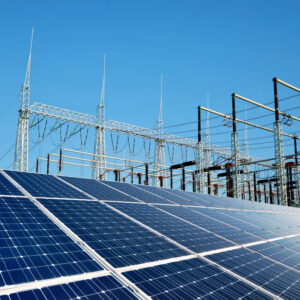
Solar panels are becoming an increasingly popular source of renewable energy around the world. They provide clean electricity, reduce carbon footprints, and lower dependence on fossil fuels. However, despite these benefits, the adoption of solar technology still faces several challenges. These obstacles range from financial and technical issues to social and environmental considerations. Understanding these challenges is crucial for overcoming them and making solar power more accessible.
1. High Initial Costs
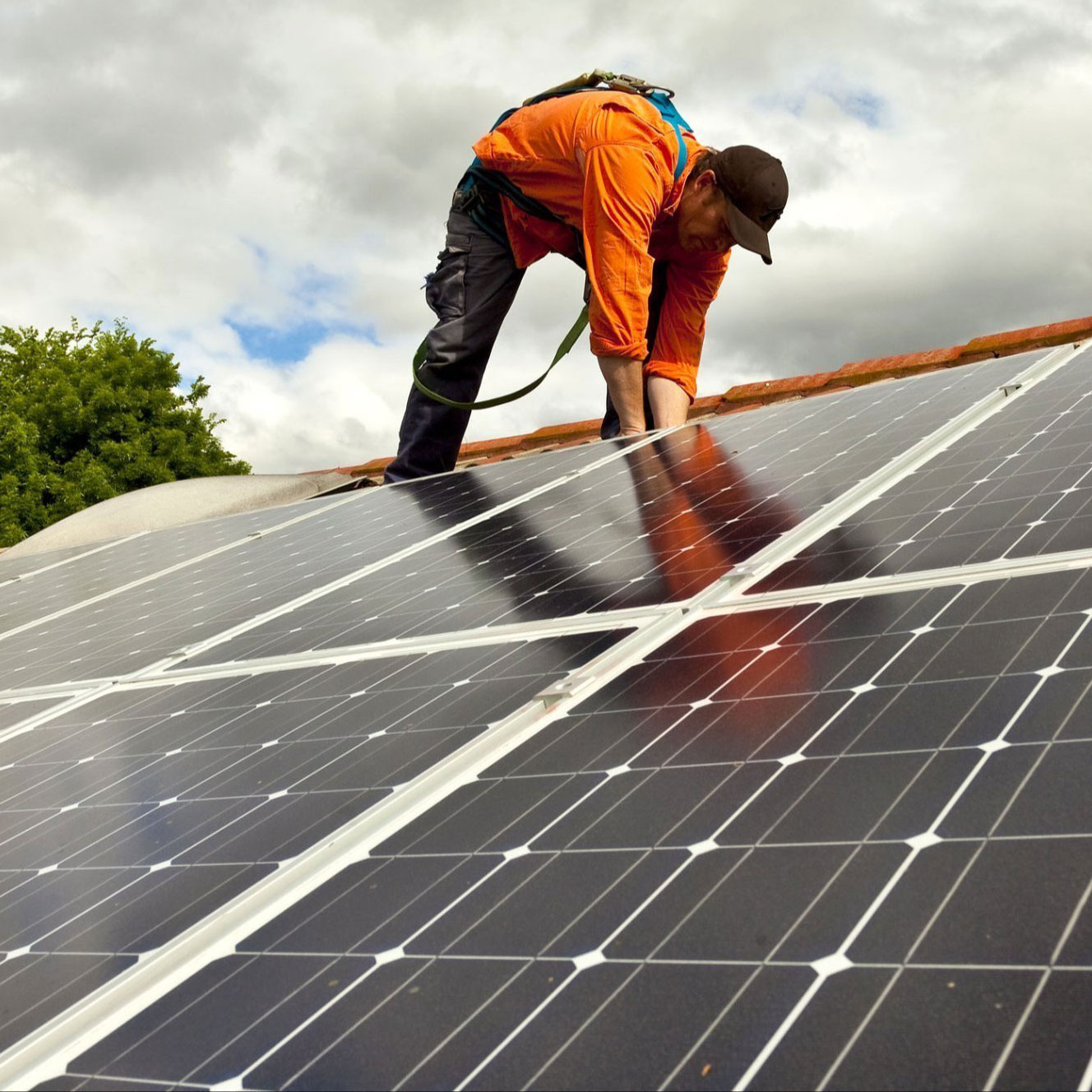
One of the biggest barriers to adopting solar panels is the upfront investment. Although prices have dropped significantly in the past decade, installing a solar system still requires a large sum of money. The cost includes not only the panels themselves but also inverters, mounting structures, wiring, and installation labor. For households and small businesses, this initial cost can be discouraging, even though long-term savings are substantial.
2. Dependence on Weather and Sunlight
Solar panels rely on sunlight, which means their efficiency is affected by weather conditions and geographic location. In regions with frequent cloud cover, heavy rainfall, or long winters, solar systems may produce less energy. Nighttime production is, of course, impossible without storage systems. While solar works well in sunny countries, it may not be equally effective everywhere. This dependence on weather makes solar less reliable compared to consistent energy sources like coal or nuclear.
3. Energy Storage Challenges
Solar panels generate electricity only when the sun is shining. To use solar power during nighttime or cloudy days, energy storage systems like batteries are required. However, batteries are still expensive, have limited lifespans, and raise environmental concerns when it comes to disposal. Without efficient and affordable storage solutions, solar users remain partially dependent on traditional electricity grids.
4. Space Requirements
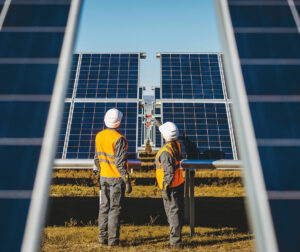
Solar panels need significant amounts of space to generate large amounts of electricity. For residential use, rooftops usually provide enough room, but large-scale solar farms require vast areas of land. In densely populated regions, finding suitable space is a challenge. Additionally, converting agricultural land or natural habitats into solar farms can create conflicts over land use and raise environmental concerns.
5. Efficiency Limitations
Even the most advanced commercial solar panels convert only 20% to 22% of sunlight into electricity. This means a large portion of solar energy is wasted. Efficiency drops further when panels are dirty, shaded, or improperly installed. While research is ongoing to improve efficiency, current limitations mean more panels are needed to meet energy demands, adding to costs and space requirements.
6. Grid Integration Issues
In many countries, power grids were not originally designed to handle distributed energy sources like solar. When many households feed electricity back into the grid, it can cause fluctuations in voltage and frequency. Updating grid infrastructure to accommodate solar power requires major investment from governments and utility companies, which can slow adoption.
7. Recycling and Environmental Concerns
While solar energy itself is clean, the production and disposal of solar panels raise environmental issues. Manufacturing panels involves chemicals and high energy consumption. At the end of their lifespan (about 25–30 years), disposing of panels becomes a challenge, as they contain materials like cadmium and lead that can be harmful if not recycled properly. Establishing effective recycling systems is still in progress.
8. Lack of Awareness and Policy Support
In many regions, people are still unaware of the benefits of solar power or unsure about the technology. Misconceptions about high costs, maintenance needs, and performance can prevent adoption. Additionally, government policies, incentives, and subsidies vary widely. In countries where support is limited or inconsistent, adoption rates remain lower compared to nations with strong renewable energy policies.
Conclusion
The adoption of solar panels faces several challenges, including high initial costs, dependence on weather, storage limitations, space needs, efficiency issues, grid integration, recycling concerns, and lack of awareness. Despite these obstacles, solar technology continues to improve, and costs are steadily falling. With stronger government support, better storage solutions, and ongoing innovation, many of these barriers can be overcome. Solar power holds enormous potential for a cleaner, more sustainable future—but addressing these challenges is essential to unlock its full benefits.