Future of Solar Technology
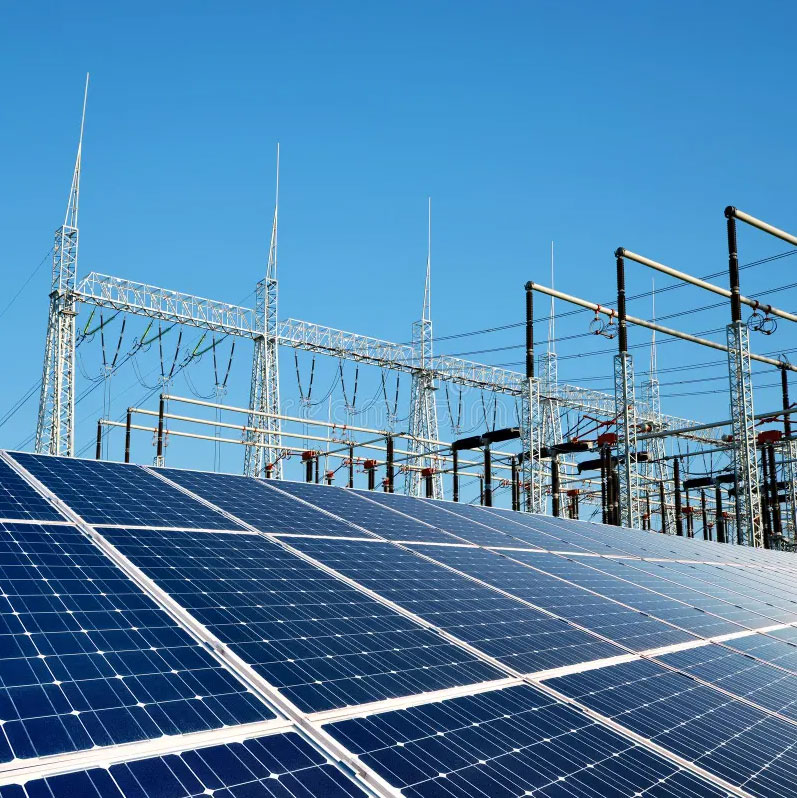
Solar power has already transformed how we think about energy, but the technology is still evolving rapidly. With increasing demand for clean and renewable energy, researchers and companies are working on ways to make solar panels more efficient, affordable, and versatile. The future of solar technology looks brighter than ever, with innovations that could reshape industries, cities, and even our daily lives.
1. Higher Efficiency Solar Cells
One of the main areas of focus is improving efficiency—how much sunlight a solar panel can convert into usable electricity. Current commercial panels operate at around 15% to 22% efficiency. Future technologies aim to go much higher:
-
Perovskite solar cells are one of the most promising developments. They are cheaper to produce than traditional silicon cells and have already reached efficiency levels above 25% in laboratory tests.
-
Tandem solar cells, which stack different materials together, can capture more of the light spectrum, potentially reaching 30–40% efficiency.
These improvements mean future solar systems will produce more electricity from the same amount of sunlight, reducing space requirements and costs.
2. Solar Integration into Everyday Life
The solar panels of tomorrow may not look like panels at all. Instead of bulky boards on rooftops, solar technology is moving toward seamless integration into buildings and products:
-
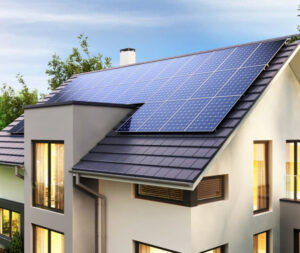
Solar roof tiles and shingles: Developed by companies like Tesla, these tiles replace traditional roofing while generating power.
-
Transparent solar glass: Windows in homes, offices, and even cars could double as power generators.
-
Wearable solar technology: Lightweight and flexible panels could be built into clothing, backpacks, or portable devices to power electronics on the go.
This shift toward integration means solar will be less noticeable but far more present in our everyday lives.
3. Advanced Energy Storage
One of the biggest challenges for solar energy is storing power for use at night or during cloudy periods. The future will bring better and cheaper battery technologies:
-
Lithium-ion batteries are already common, but research into alternatives like solid-state batteries and flow batteries promises longer lifespans, faster charging, and safer storage.
-
Grid-scale storage solutions will allow entire communities to rely more heavily on solar power, even when sunlight is unavailable.
Improved storage will make solar energy more reliable, reducing dependence on fossil fuels and stabilizing electricity supply.
4. Smart Solar Systems
The rise of artificial intelligence (AI) and smart grids will also play a key role in the future of solar technology. AI can optimize solar panel placement, predict weather patterns for maximum efficiency, and manage how solar power is distributed across the grid. Smart inverters will make it easier to integrate solar energy into national power systems, ensuring stability and efficiency.
Homeowners will also benefit from smart systems that can automatically decide when to use stored solar power, when to sell excess energy back to the grid, and when to draw from the grid for backup.
5. Space-Based Solar Power
A futuristic but exciting concept is space-based solar power. Satellites equipped with solar panels could collect sunlight in space, where it is constant and unaffected by weather, and beam it back to Earth using microwaves or lasers. While still experimental, this technology could one day provide unlimited, uninterrupted solar power on a global scale.
6. Cost Reductions and Global Accessibility
As technology improves, solar panels will continue to become cheaper and more widely available. Manufacturing innovations, economies of scale, and recycling programs will drive down costs further. This will make solar energy accessible not only in developed countries but also in developing regions, where reliable electricity can transform education, healthcare, and local economies.
Conclusion
The future of solar technology is full of potential. With breakthroughs in efficiency, integration, storage, smart systems, and even space-based solutions, solar power is set to become a dominant energy source worldwide. As costs continue to fall and adoption grows, solar will play a critical role in building a cleaner, more sustainable, and energy-secure future. What once was seen as an alternative energy option is now becoming the foundation of tomorrow’s energy landscape.