What is a Solar Panel?
Solar panels are one of the most significant inventions in modern energy technology. They represent a clean, renewable, and increasingly affordable way to generate electricity. You may have seen them installed on rooftops, open fields, or even small devices like calculators, but what exactly is a solar panel, and how does it work? Let’s break it down.
1. Definition of a Solar Panel
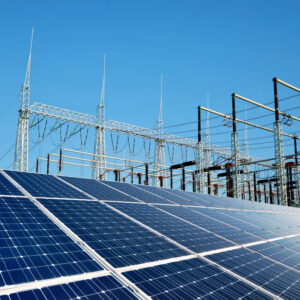
A solar panel is a device designed to capture sunlight and convert it into usable electricity. It is made up of many smaller units called solar cells, which are typically made from silicon, a material known for its ability to absorb sunlight and release electrons. When grouped together, these cells create enough power to supply homes, businesses, and even entire communities.
In simple terms, solar panels take free energy from the sun and transform it into electrical power that we can use for lighting, heating, cooling, and running appliances.
2. How Solar Panels Work
The science behind solar panels relies on the photovoltaic (PV) effect. When sunlight, which is made up of tiny energy particles called photons, hits the solar cells, it knocks electrons loose from atoms in the silicon. These free electrons flow through the material, creating an electrical current.
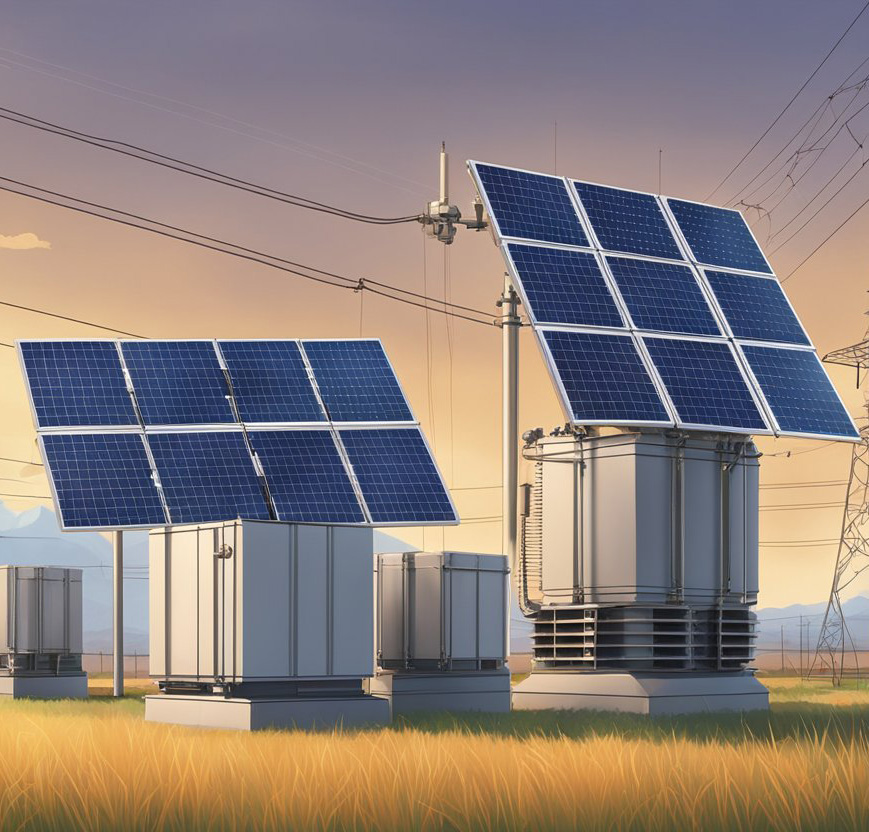
This electricity is initially in the form of direct current (DC). Since most homes and devices use alternating current (AC), an inverter is used to convert DC into AC. Once converted, the electricity can be used immediately, stored in batteries, or sent back into the power grid.
3. Structure of a Solar Panel
A typical solar panel is made up of several components that ensure it functions effectively and lasts for decades:
-
Solar cells: The core components that capture sunlight.
-
Glass layer: Protects the cells while allowing sunlight to pass through.
-
Encapsulation material: Keeps the cells in place and protects them from moisture and mechanical damage.
-
Backsheet: Provides insulation and safeguards the panel.
-
Aluminum frame: Gives the panel strength and makes installation easier.
Together, these layers ensure that solar panels can withstand harsh weather conditions while continuing to produce electricity efficiently.
4. Types of Solar Panels
There are different kinds of solar panels available, depending on cost and efficiency:
-
Monocrystalline panels: Made from a single crystal of silicon, offering high efficiency and durability.
-
Polycrystalline panels: Made from multiple silicon fragments, more affordable but slightly less efficient.
-
Thin-film panels: Lightweight and flexible, though less efficient than crystalline panels.
Each type has its own advantages, making solar panels suitable for a variety of applications, from small household use to large solar farms.
5. Benefits of Solar Panels
Solar panels provide several advantages:
-
Renewable energy: They use the sun’s energy, which is free and abundant.
-
Lower bills: Solar panels can significantly reduce or even eliminate electricity costs.
-
Environmentally friendly: They produce no greenhouse gases or air pollution.
-
Energy independence: Homes and businesses can generate their own electricity, reducing reliance on power companies.
-
Long lifespan: Most panels last 25–30 years with minimal maintenance.
6. Applications of Solar Panels
Solar panels are highly versatile. They can be used in:
-
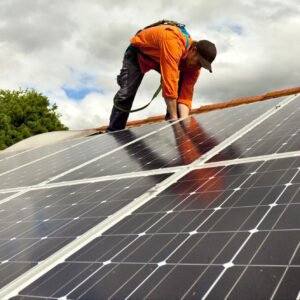
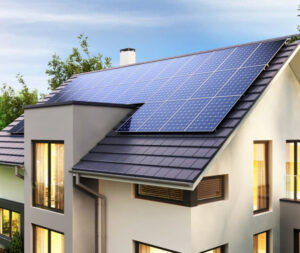
Residential buildings: To power homes and reduce electricity bills.
-
Commercial spaces: Offices, schools, and factories benefit from clean energy.
-
Remote areas: Off-grid solar systems bring electricity to rural or isolated regions.
-
Portable devices: Solar chargers, lamps, and even vehicles now use solar power.
Conclusion
A solar panel is more than just a piece of technology—it’s a gateway to a sustainable future. By converting sunlight into electricity, solar panels provide an eco-friendly alternative to fossil fuels, cut energy costs, and empower individuals and communities with greater energy independence. As technology continues to advance, solar panels will only become more efficient, affordable, and widespread. In short, solar panels are not just tools for today—they are essential for building a cleaner, brighter tomorrow.